August 3, 2026
Whether you are remodeling a kitchen, replacing a roof, cleaning out an estate, or tackling a major landscaping project, selecting the right dumpster size can make the entire job more efficient. Renting a container that is too small often leads to additional hauls and higher costs, while choosing one that is too large may mean paying for capacity you never use. Understanding your project's scope before scheduling a dumpster rental helps you save time, money, and frustration from the very beginning.
Understanding Project Scope Before You Rent
Every successful cleanup begins with a realistic assessment of the debris you expect to generate. Construction materials, household junk, yard waste, and roofing shingles all have different weights and volumes, making it important to estimate both factors instead of focusing only on the amount of visible clutter. Taking a careful inventory before placing an order helps ensure your container meets your needs without unnecessary complications.
Many homeowners underestimate how quickly debris accumulates once demolition or cleanup begins. Hidden materials behind walls, damaged furniture, and unexpected waste can significantly increase the total volume of a project. Building a small margin into your estimate often prevents delays caused by filling a container sooner than expected.
Professional dumpster providers can also offer valuable guidance based on the type of work you are performing. Sharing details about your project allows them to recommend a container that balances capacity with affordability. Choosing the proper dumpster rental option with expert advice can eliminate guesswork and reduce the likelihood of ordering a second container later.
According to CCR Magazine, a 20-yard dumpster is considered an excellent option for whole-home cleanouts, sizable roofing jobs, and even garage demolition projects. This demonstrates why matching container size to the specific project is far more effective than simply choosing the largest available option. Understanding these common recommendations helps property owners make informed decisions before work begins.
Comparing Common Dumpster Sizes
In our industry experience, dumpster sizes are typically measured in cubic yards, with common options ranging from 10-yard containers to 40-yard containers. Each size serves different types of projects, making it important to understand how much debris each can realistically accommodate. Looking beyond the dimensions and considering the materials involved provides a much clearer picture of what you actually need.
A 10-yard dumpster often works well for small bathroom remodels, garage cleanouts, and limited landscaping projects, per our expertise. Its compact footprint also makes it easier to place in residential driveways where space may be limited. Although smaller, it can still hold a surprising amount of debris when loaded properly.
In practice, we have found that the popular 20-yard option offers excellent versatility for medium-sized renovations and larger household cleanups. Many remodeling projects involving kitchens, flooring, or multiple rooms fit comfortably within this size. For many homeowners, this represents the ideal balance between capacity and cost when planning a dumpster rental for residential improvements.
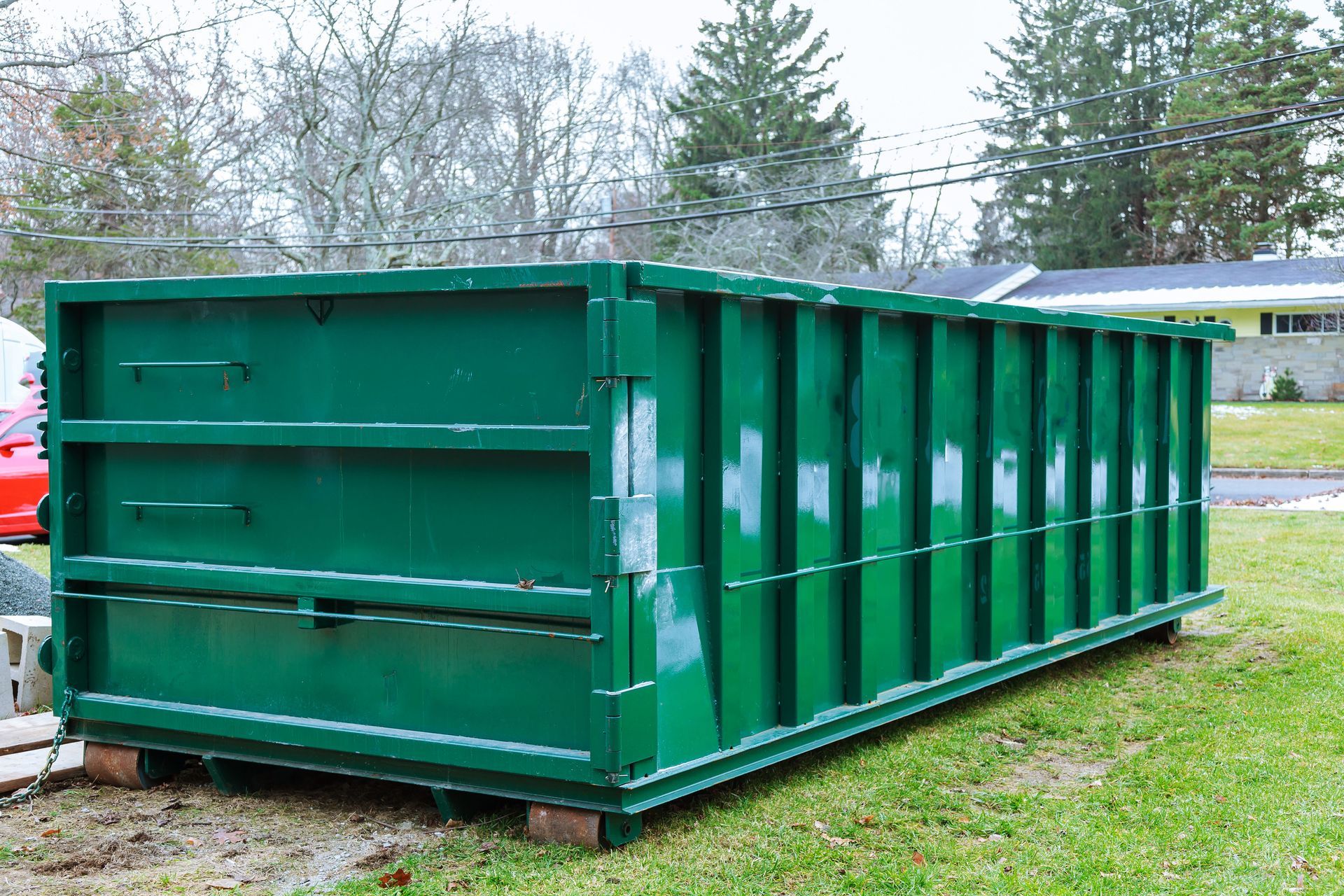
We have observed that larger containers, including 30-yard and 40-yard dumpsters, are better suited for commercial construction, major renovations, and extensive demolition work. These containers accommodate significantly more material, reducing interruptions caused by frequent pickups. However, they also require additional placement space and may have stricter weight limitations depending on the materials being discarded.
Evaluating Weight Limits Along With Volume
Container size is only one part of choosing the right dumpster rental. Weight limits play an equally important role because heavy materials can quickly exceed allowable capacities even when the container appears far from full. Concrete, asphalt, brick, roofing materials, and soil are among the densest types of debris that require careful planning.
Exceeding the included weight allowance may result in additional disposal fees that increase your overall project cost. Understanding what materials you intend to throw away allows your rental provider to recommend the most appropriate container for both volume and weight. Honest communication prevents surprises when the dumpster is collected.
Many projects produce a mixture of lightweight and heavy materials. Furniture, drywall, wood framing, cardboard, and household items generally create more volume than weight, while masonry products create the opposite situation. Balancing these materials inside the container helps maximize efficiency throughout the cleanup process.
Loading techniques also influence both safety and hauling efficiency. Distributing heavy materials evenly across the bottom creates a stable foundation while lighter debris fills the remaining space more effectively. Following these practices allows your dumpster rental experience to proceed smoothly while helping drivers transport the container safely.
Avoiding Common Sizing Mistakes
One of the most common mistakes people make is choosing the smallest available dumpster solely to reduce the initial rental price. While this may seem economical, overfilling the container often leads to additional pickups, extended project timelines, or excess charges. Selecting the proper size from the beginning frequently proves to be the better financial decision.
Another frequent error involves ignoring local regulations regarding prohibited materials. Items such as hazardous chemicals, automotive fluids, batteries, electronics, tires, and certain appliances may require separate disposal procedures. Reviewing accepted materials before loading your container helps prevent delays and unexpected fees.
Scheduling also plays a significant role in choosing the right container. Longer renovation projects may benefit from larger dumpsters that minimize service interruptions, while short weekend cleanouts can often be completed efficiently with smaller containers. Coordinating delivery and pickup around your project timeline ensures waste never becomes an obstacle to progress.
Finally, working with an experienced provider gives you access to practical recommendations based on years of industry knowledge. Instead of relying solely on rough estimates, you can discuss your project details and receive personalized guidance that matches your specific cleanup needs. Investing a few extra minutes in planning your dumpster rental often results in a more efficient project from start to finish.
Considering Placement and Accessibility
Where the dumpster will be placed is another important factor that can influence the size you choose. A larger container may hold more debris, but it also requires additional clearance for delivery, loading, and pickup. Measuring your driveway or designated placement area ahead of time helps avoid logistical issues on delivery day.
Accessibility should also be considered throughout the duration of your project. Positioning the dumpster close to the work area reduces the time and effort required to transport debris, making cleanup more efficient and safer for everyone involved. If space limitations require a smaller container, planning for scheduled pickups can help keep your project moving without allowing waste to accumulate.
Choosing the right dumpster size is about much more than selecting a container that appears large enough. By evaluating your project's volume, material weight, available space, and overall timeline, you can select a solution that keeps your cleanup organized while controlling costs. Careful planning before arranging a dumpster rental helps ensure your renovation, demolition, or cleanout stays on schedule without unnecessary complications.
No matter the size or complexity of your project, taking the time to choose the appropriate dumpster can streamline the cleanup process from beginning to end. Careful planning helps minimize unnecessary expenses, reduces delays, and ensures waste is handled responsibly throughout the job. By understanding your disposal needs and working with a knowledgeable rental provider, you can complete your project with greater confidence and efficiency.
At The Brothers Disposal, we take pride in helping our customers choose the right container for every project, regardless of its size. We work closely with you to answer your questions, recommend the best solution, and make your
dumpster rental experience as simple and stress-free as possible. Contact us today, and let us help you keep your next project clean, organized, and moving forward with confidence.