October 27, 2026
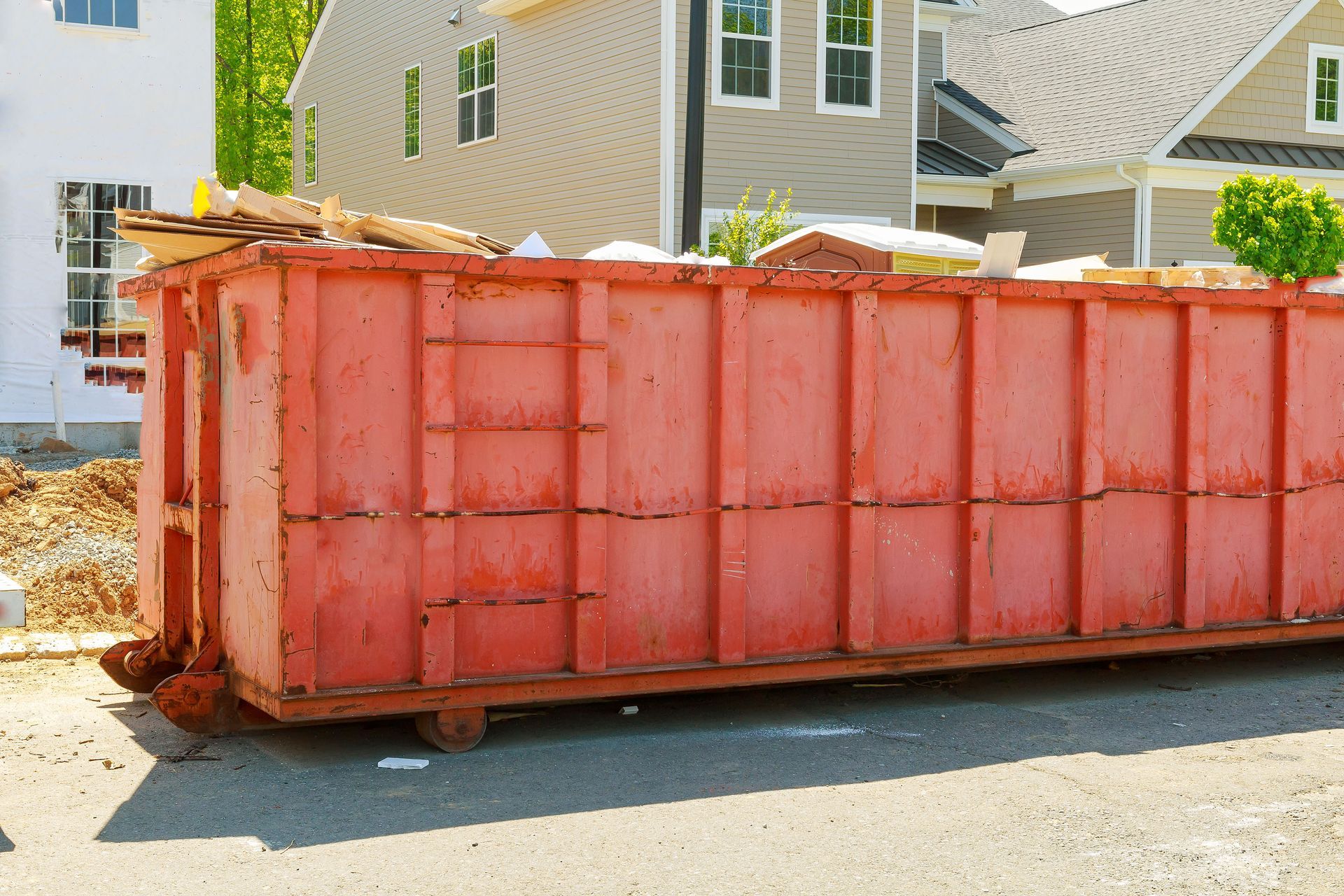
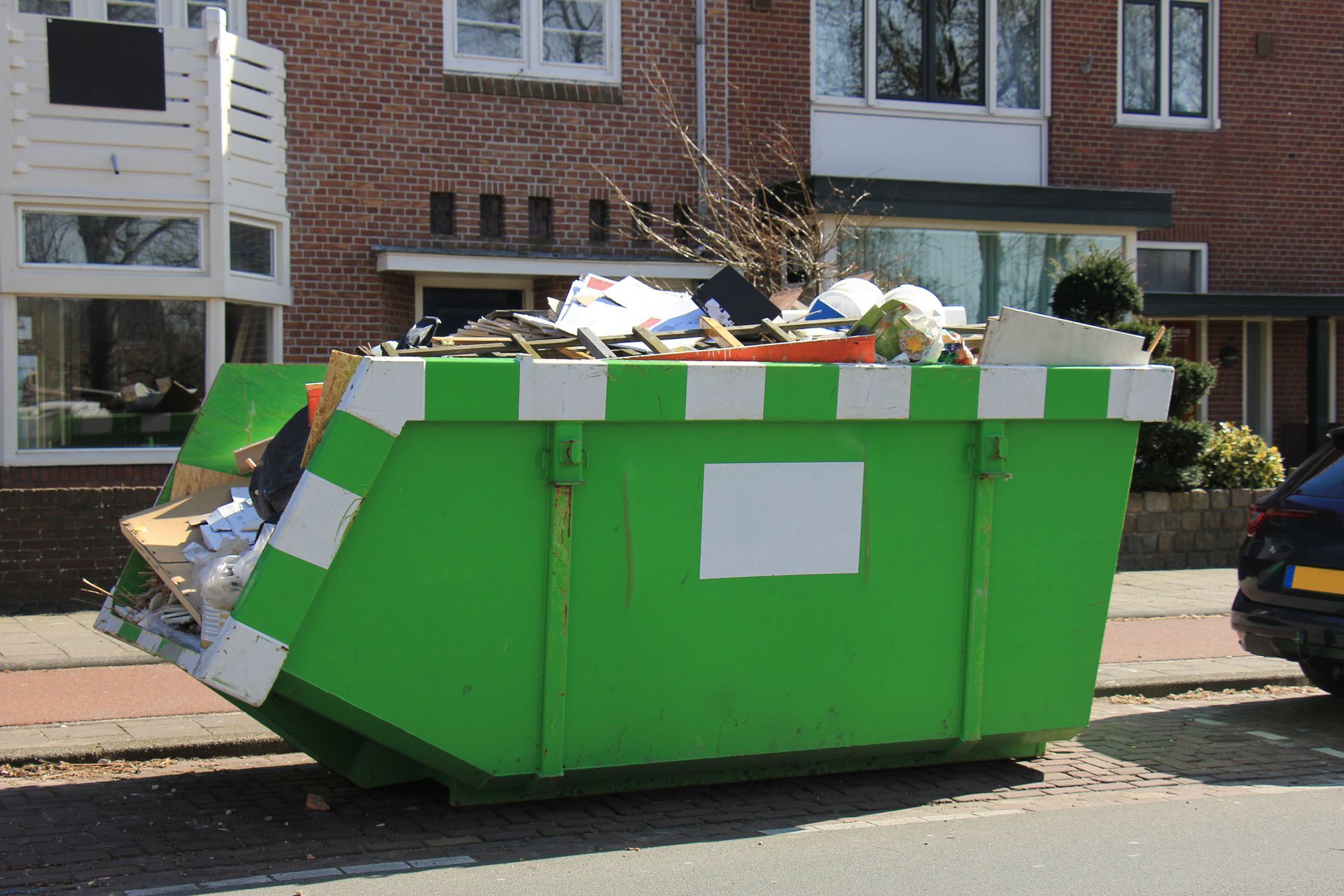
Managing a modern construction or renovation site requires balancing tight schedules, strict safety standards, and intricate logistical demands. Maintaining an organized footprint is essential for keeping projects running smoothly from start to finish, yet waste disposal frequently becomes a major operational bottleneck when handled inefficiently. Securing a reliable dumpster rental provides a centralized system for collecting debris, ensuring that materials are contained rather than left scattered across active work zones. By integrating structured container services into initial site planning, project leaders eliminate unnecessary chaos and establish a clean baseline for daily operations.
Beyond basic orderliness, having a dedicated container on site significantly influences overall project efficiency and safety. When crews have immediate access to designated disposal bins, they spend far less time managing trash and more time executing primary construction tasks. This systematic approach prevents material buildup, protects valuable equipment, and keeps pathways clear for heavy machinery and foot traffic. Implementing professional waste containment options sets a high standard for workplace discipline, turning a potentially chaotic job site into a streamlined and highly productive environment. Early implementation of these systems ultimately sets the tone for precision and safety across the entire lifespan of a build.
Managing Disposal Solutions Efficiently
Implementing a centralized waste collection strategy eliminates the guesswork and inefficiency often associated with site cleanup. When workers have a single, dedicated location to discard junk, daily operations become vastly more streamlined. Crews no longer lose valuable hours moving small piles of debris from one corner of the site to another or coordinating frequent trips to off-site disposal facilities. Having large-capacity containers directly on site minimizes operational downtime, allowing contractors to maintain momentum and hit key project milestones without logistical delays.
Strategic waste placement also directly reduces overall transportation costs and fuel consumption across the duration of a build. Rather than relying on smaller utility vehicles to transport light loads continuously, project managers can consolidate all refuse into heavy-duty vessels. This approach optimizes resource allocation and keeps workers focused on core tasks rather than transport logistics. Modern container services offer customized placement strategies that seamlessly match the pace of contemporary construction projects, fostering an orderly workflow that supports long-term operational success. Investing in structured cleanup methods ultimately protects the overall profitability and timeline of complex builds.
Segregating Construction Waste Materials
Properly sorting debris at the point of origin is a vital practice for modern job sites aiming to maintain regulatory compliance and high environmental standards. Utilizing dedicated containers for specific scrap types allows teams to separate wood, metal, masonry, and hazardous debris effectively. This systematic separation makes recycling efforts straightforward and ensures that reusable materials do not end up in landfills unnecessarily. Encouraging crews to sort scrap as it is generated instills a culture of environmental accountability that benefits both the project and the surrounding community.
According to IBISWorld, the dumpster rental industry in the United States grew at a compound annual growth rate of 5.7% from 2020 to 2025. This growth indicates an increasing recognition of the importance of proper waste management within the construction sector. With more companies opting for dumpster rentals, the industry as a whole is moving towards better regulatory compliance and sustainability. Furthermore, effective scrap sorting opens up opportunities for financial rebates through metal recycling and reduced tipping fees, proving that eco-friendly habits directly support a project's bottom line. Taking these proactive steps ensures that operations remain both environmentally conscious and fiscally responsible.
Streamlining Scheduled Waste Removal
Establishing a predictable timeline for waste removal ensures that job sites never suffer from overflowing collection points. Reliable haul-away schedules prevent material backlogs that can stall progress and create unwanted visual clutter. By coordinating routine pickups with service providers, site managers maintain consistent site capacity and avoid emergency cleanups. This proactive approach keeps site logistics running smoothly, allowing trade contractors to work without stepping around accumulated refuse or waiting for cleared space.
A structured pickup timeline also drastically improves administrative planning and cost predictability. Budgeting becomes much simpler when waste management expenses follow a set, recurring schedule rather than unpredictable, ad-hoc spending. Beyond financial advantages, timely removals preserve site hygiene by minimizing dust, preventing pest infestations, and eliminating unpleasant odors. Project managers who arrange consistent debris haul-offs build a safer, cleaner, and far more professional working environment for every trade on site. Dependable scheduling removes administrative headaches and keeps field operations moving forward seamlessly.
Preventing On-Site Physical Hazards
Site safety remains a paramount concern for every construction firm, and effective debris containment sits at the core of accident prevention. Loose lumber, exposed nails, concrete fragments, and stray packaging pose serious tripping and puncture hazards when left lying around active work areas. Utilizing heavy-duty disposal containers ensures these materials are promptly isolated from high-traffic zones. Keeping walking routes and equipment paths completely free of clutter dramatically lowers the risk of slip, trip, and fall incidents among site personnel.
In addition to reducing physical obstacles, proper waste containment helps mitigate severe environmental and fire risks. Combustible packaging, scrap timber, and chemical packaging can ignite quickly if left exposed to hot work or volatile equipment. Securing these items inside steel containers reduces fire hazards and keeps light materials from scattering in strong winds. By maintaining a clean, contained work area, site managers protect their workforce, preserve valuable building supplies, and uphold strict occupational safety standards throughout the project life cycle. Prioritizing physical hazard prevention fosters a culture of care and accountability among all workers on site.
Supporting Rigorous Safety Compliance
Adhering to local safety laws and regional environmental mandates is non-negotiable for commercial and residential contractors alike. Standardized collection containers help firms meet strict site cleanliness guidelines set by governing bodies, reducing the likelihood of costly regulatory fines. Properly labeled bins guide workers in disposing of specific waste classes correctly, preventing accidental contamination and chemical runoff. Maintaining a compliant site reflects positively on the management team and protects the business from expensive legal complications.
Demonstrating a strong commitment to regulatory standards and site organization enhances a contractor's industry reputation. Clients, inspectors, and commercial partners view well-managed, tidy job sites as a direct reflection of high workmanship and professional integrity. Prioritizing systematic waste control signals that a company values worker safety, operational efficiency, and environmental stewardship. Ultimately, prioritizing clean operations attracts better business opportunities, strengthens partner relationships, and ensures smooth project execution from start to finish. Rigorous adherence to safety standards provides complete peace of mind to project owners and site supervisors alike.
Maintaining an organized, safe, and efficient job site requires deliberate planning and the right operational tools. Utilizing a professional dumpster rental provides the structure necessary to handle high volumes of construction waste cleanly and systematically. From reducing physical clutter and preventing workplace injuries to streamlining recycling efforts and ensuring full regulatory compliance, heavy-duty disposal containers serve as an indispensable asset for any construction management team. Investing in proper waste containment upfront saves valuable labor hours, lowers transport expenses, and keeps projects moving forward without unnecessary interruptions.
A well-organized work environment ultimately drives overall project success, fostering better worker morale and showcasing high standards of craftsmanship to clients and inspectors alike. Establishing clean operational habits ensures that your team can focus on building quality structures rather than battling mounting piles of debris. Contact The Brothers Disposal today to secure the ideal
dumpster rental for your next project, streamline your site logistics, and keep your workspace safe, compliant, and completely clutter-free.