February 24, 2026
Whether you're managing a construction site, completing a home renovation, cleaning out an office, or handling a large landscaping project, waste management plays a critical role in keeping everything on schedule. Dumpster rentals offer a convenient and cost-effective solution, but simply ordering a container isn’t enough to guarantee efficiency. To truly maximize the value of your rental, you need a strategic approach. From selecting the right size to organizing debris properly, these 12 tips will help you streamline your project, reduce delays, and control costs.
1. Choose the Right Dumpster Size
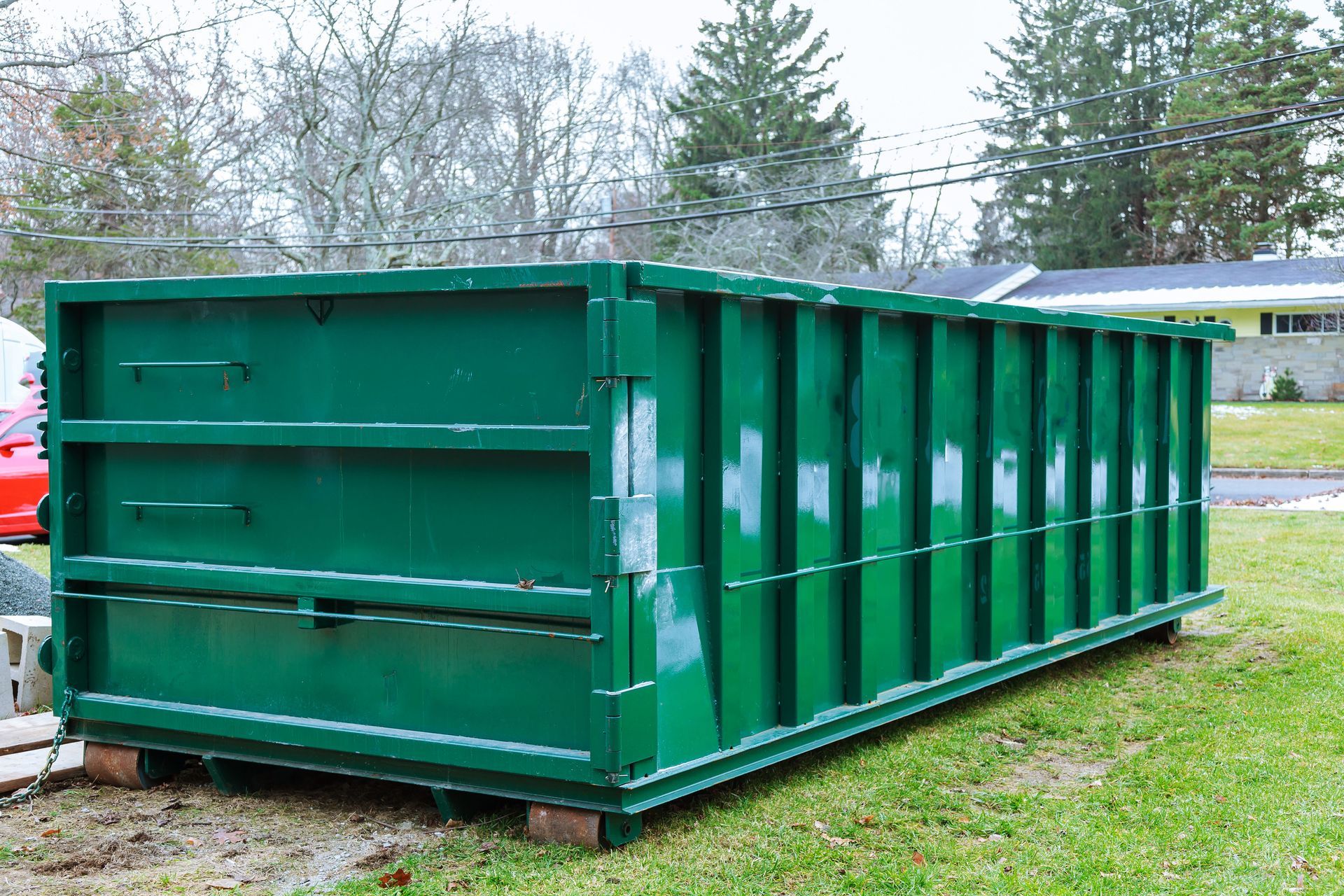
Selecting the appropriate dumpster size is the foundation of efficient waste management. Renting a container that’s too small may require additional hauls, increasing costs and causing delays. On the other hand, renting one that’s too large may mean paying for unused capacity. Most companies providing dumpster rentals offer a range of sizes, typically measured in cubic yards, to accommodate projects of all scales. Carefully estimate the volume and type of debris you expect to generate before booking your rental to avoid unnecessary complications.
2. Plan Your Placement Strategically
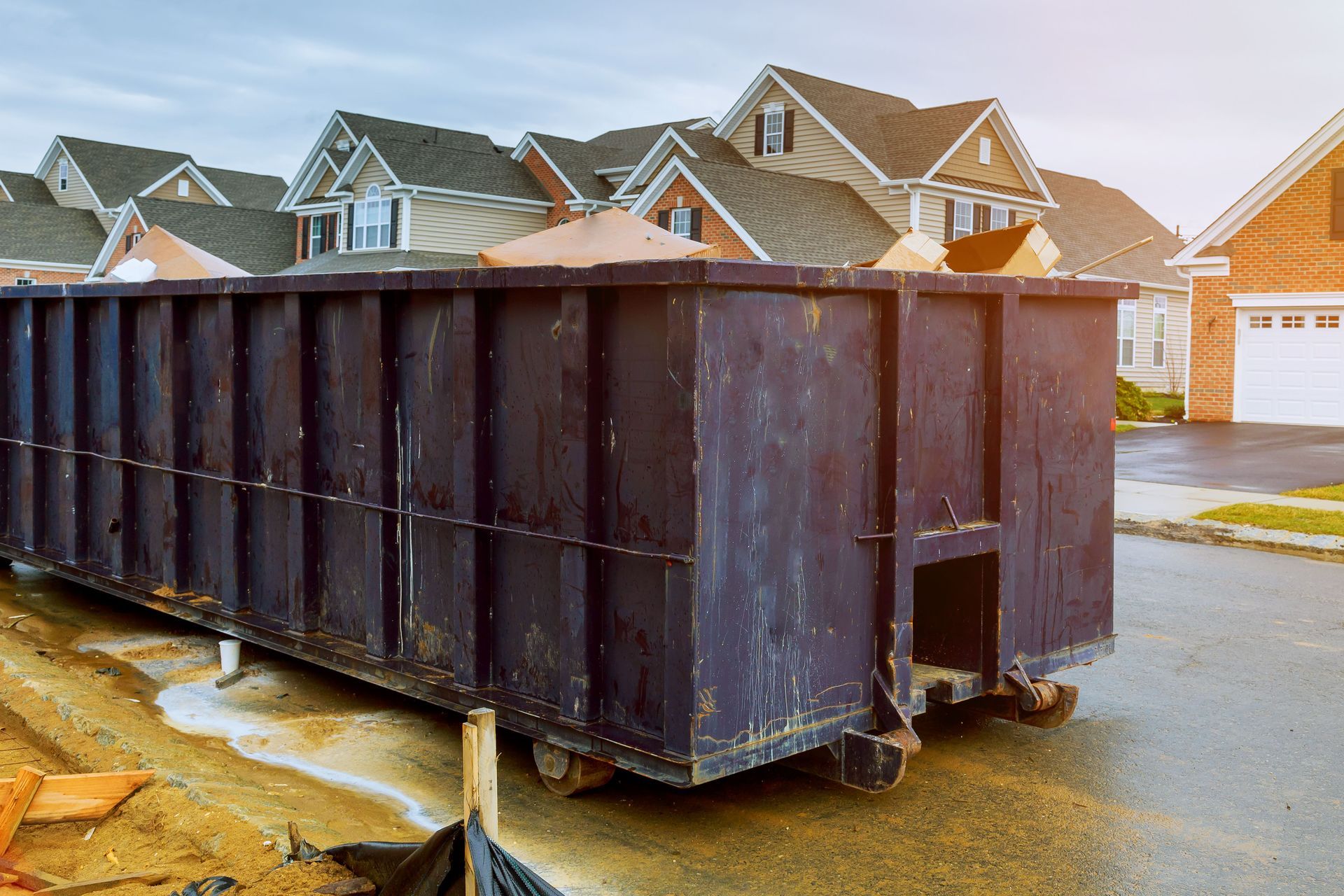
Where you place your dumpster significantly affects workflow efficiency. Ideally, it should be positioned close to the work area to minimize the time and effort spent transporting debris. However, it must also allow for safe access and not obstruct driveways, sidewalks, or traffic. Consider surface stability, especially for heavier loads, and ensure the delivery truck has enough space to drop off and pick up the container. Proper placement reduces labor time, enhances safety, and prevents property damage, all of which contribute to a smoother project timeline.
3. Understand Weight Limits and Restrictions
Dumpster rentals come with weight limits and guidelines regarding acceptable materials. Exceeding weight limits can result in additional fees, while placing prohibited items inside may lead to penalties or refused pickup. Common restricted items include hazardous materials, chemicals, tires, batteries, and certain electronics. Before loading the dumpster, review your rental agreement and clarify any questions with the provider. Understanding these limits in advance ensures compliance and helps you avoid unexpected costs that can disrupt your project budget.
4. Organize Waste Before Loading
Efficient loading starts with proper sorting. Separate recyclable materials, hazardous waste, and general debris before placing anything in the dumpster. Organizing waste allows you to maximize available space and ensures materials are disposed of appropriately. Flatten cardboard boxes, break down bulky items, and disassemble large structures when possible. Taking time to prepare debris before loading prevents wasted space and improves safety. An organized loading strategy ultimately reduces the likelihood of overfilling and makes the most of your rental period.
5. Load the Dumpster Evenly
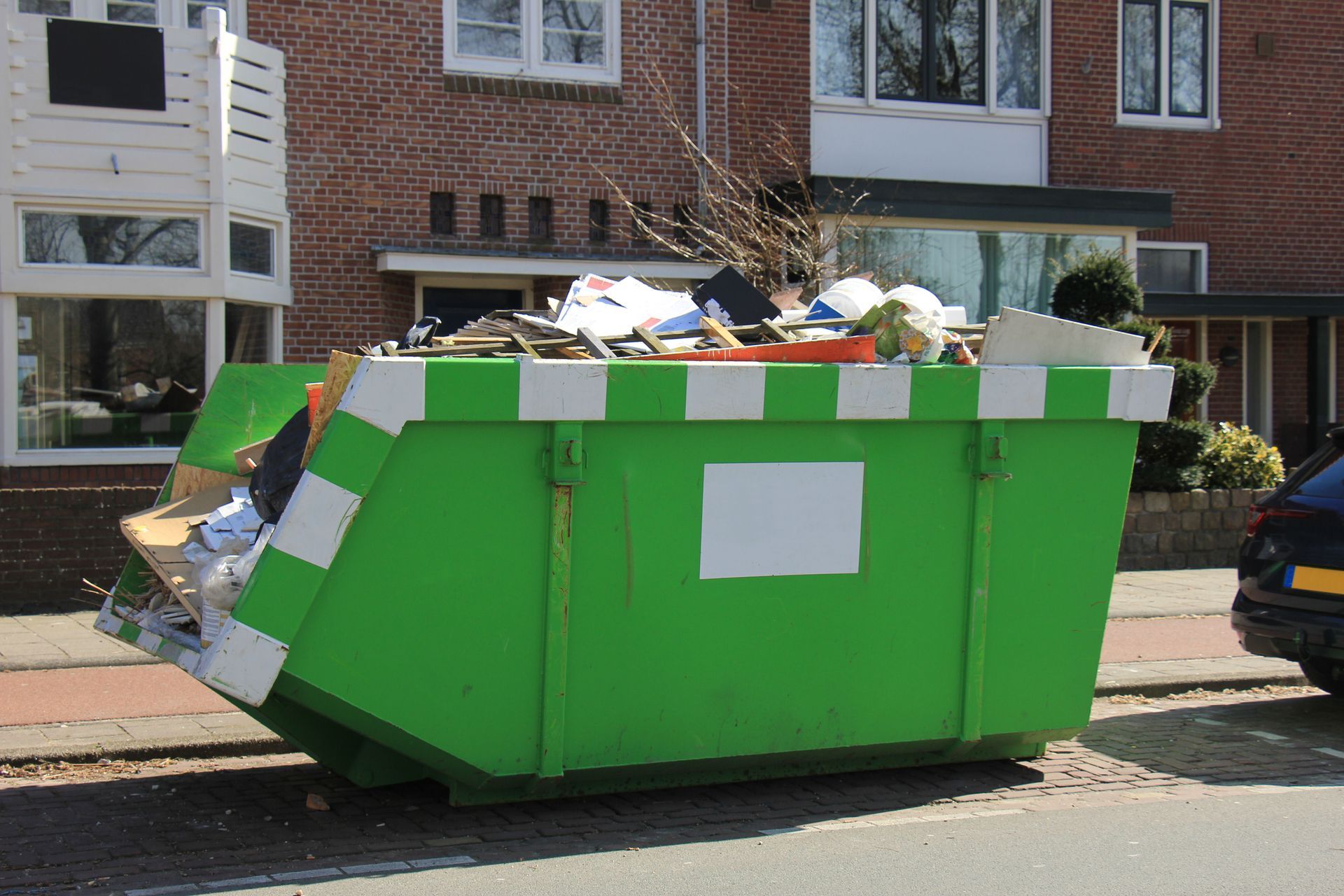
Distribute debris evenly throughout the container to maintain balance and optimize space. Start by placing heavier, bulkier items at the bottom, then fill in gaps with smaller debris. Avoid stacking materials unevenly or creating towering piles above the container’s edge. Even loading not only maximizes capacity but also ensures safe transportation. Overloaded or uneven dumpsters can pose hazards during pickup and may incur additional fees. A balanced approach keeps your project efficient and compliant with safety standards.
6. Schedule Delivery and Pickup Carefully
Timing is everything when it comes to dumpster rentals. Coordinate delivery to coincide with the start of your project so waste doesn’t accumulate unnecessarily. Similarly, schedule pickup promptly once the dumpster is full or the project is complete. Holding onto a dumpster longer than needed may result in daily extension fees. Efficient scheduling keeps your worksite clean and organized while minimizing rental costs. Clear communication with your rental provider ensures timely service and prevents disruptions to your workflow.
7. Protect the Surface Beneath the Dumpster
Dumpsters can be heavy, especially when filled with construction debris. Placing protective materials such as plywood boards under the container can prevent damage to driveways, asphalt, or landscaping. Surface protection is particularly important for residential projects where property aesthetics matter. Taking this precaution helps you avoid costly repairs after the dumpster is removed. It also demonstrates foresight and professionalism, particularly for contractors managing client properties.
8. Maintain a Clean and Safe Work Area
Keeping the area around the dumpster tidy improves overall efficiency. Encourage workers or participants to place debris directly inside the container rather than leaving it nearby. Clear walkways reduce trip hazards and improve productivity. A clean site not only enhances safety but also speeds up project completion by reducing time spent handling scattered waste. Establishing clear guidelines for waste disposal ensures everyone involved understands how to use dumpster rentals effectively.
9. Check for Overloading
Regularly checking the dumpster’s fill level helps you avoid overloading. Many rental companies prohibit filling beyond the top edge of the container. Monitoring usage allows you to plan ahead for pickup or request an additional dumpster if necessary. This proactive approach prevents work stoppages caused by lack of disposal space. Staying aware of capacity also helps you manage costs by ensuring you are using the rental efficiently without exceeding limitations.
10. Communicate Clearly With Your Rental Provider
Open communication with your provider for dumpster rentals is key to maximizing efficiency. Ask questions about policies, weight limits, prohibited materials, and scheduling options before finalizing your rental. If your project scope changes, notify the company promptly to adjust container size or pickup dates. A reliable provider can offer valuable recommendations based on experience, helping you make informed decisions. Clear communication minimizes misunderstandings, prevents delays, and ensures a smooth rental experience from start to finish.
11. Take Advantage of Recycling Opportunities
Maximizing efficiency with dumpster rentals isn’t just about saving time; it’s also about reducing waste responsibly. According to the Environmental Protection Agency, commercial and residential dumpster rentals help divert more than 60% of debris from landfills when combined with recycling programs. Ask your rental provider whether they offer recycling services or separate containers for materials such as metal, concrete, wood, or cardboard. Diverting recyclable materials from landfills can lower disposal costs in some cases and demonstrate environmental responsibility. For construction and renovation projects especially, separating reusable materials can significantly reduce the overall volume placed in your primary dumpster.
12. Review Your Project Scope Before Extending the Rental
If your project timeline changes, reassess your waste management needs before automatically extending your dumpster rental. Determine whether the remaining debris truly requires continuous use of the same container size or if a swap-out would be more efficient. Sometimes scheduling a pickup and replacing it with a smaller dumpster can save money and space. Reviewing your scope also gives you the opportunity to consolidate materials and ensure you’re not holding onto the dumpster longer than necessary. A quick evaluation can prevent unnecessary extension fees and keep your project aligned with both your timeline and budget.
Dumpster rentals are an invaluable tool for managing waste efficiently across a wide range of projects. However, maximizing their effectiveness requires thoughtful planning and proactive management. By selecting the right size, positioning the container strategically, organizing debris, adhering to weight limits, and maintaining open communication with your provider, you can significantly improve workflow and reduce unnecessary costs. The Brothers Disposal has provided quality dumpster and garbage rental services in the Mid-Cape Region of MA since 2003. We're proud to serve residential, commercial, and industrial customers. Contact us today to get started!